Purley Oaks estate rubbish removal and recycling tips
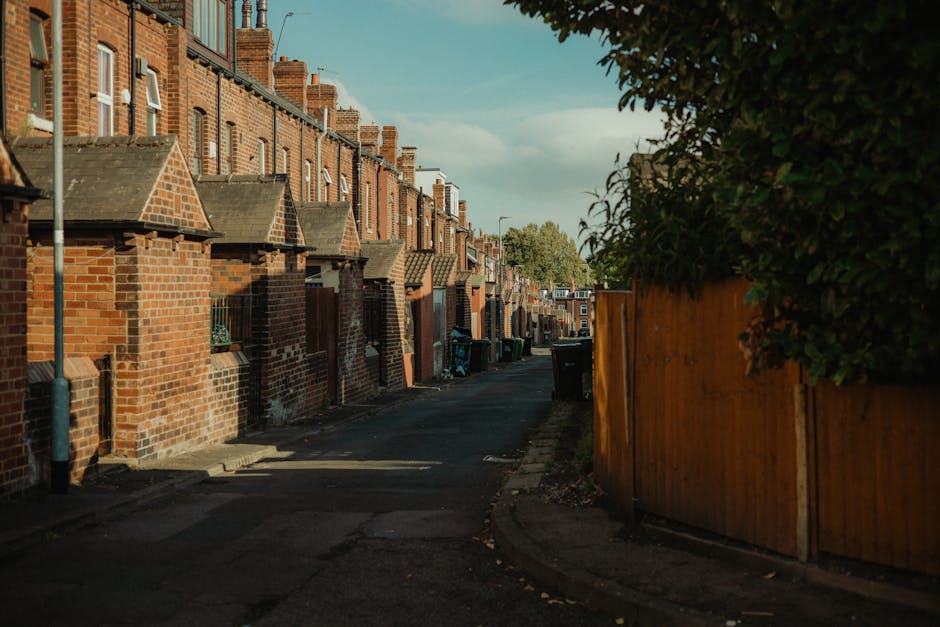
If you live or work around Purley Oaks, rubbish has a habit of piling up faster than you expect. One box becomes three. A broken chair ends up next to a bag of old clothes. Before long, the hallway, shed, or garden corner feels cramped and messy. This guide to Purley Oaks estate rubbish removal and recycling tips is here to make that job feel calmer, cleaner, and much more manageable.
You will find practical advice on sorting waste, avoiding common mistakes, choosing the right removal method, and recycling properly without making the whole thing a weekend nightmare. To be fair, most people do not need a complicated lecture. They need a clear plan, a few sensible tips, and a bit of confidence that they are doing it right.
Along the way, we will also touch on local expectations, safety, and the sort of waste that needs extra care. If you are clearing a flat, a family home, a garage, or an office space, this article should help you get it done with less faff and fewer bins full of regret.
Why Purley Oaks estate rubbish removal and recycling tips Matters
Rubbish removal is not just about getting rid of stuff. It affects how safe your home feels, how quickly you can use a room again, and how much waste ends up being recycled rather than simply thrown away. On an estate like Purley Oaks, where homes can be compact and access can be a bit tight in places, a tidy, well-planned clear-out can make a surprisingly big difference.
It also matters because mixed waste is easy to mishandle. If recyclable cardboard, metal, wood, or clean furniture gets thrown in with general rubbish, you lose the chance to divert it properly. On the other hand, if you sort things too late, the whole job becomes slower and more stressful. That middle ground - organised but not overcomplicated - is where the best results usually happen.
There is another reason this topic matters: responsibility. In the UK, householders and businesses are expected to dispose of waste carefully, especially when hiring help or moving larger loads. You do not need to become a waste expert, but a little awareness goes a long way. And yes, it can save money too. Less mixed waste often means better efficiency, fewer wasted journeys, and a cleaner end result.
Expert summary: The smartest rubbish removal plan is usually the simplest one: sort early, keep recyclables separate, identify anything hazardous, and use the right disposal route for each item. That alone avoids most headaches.
How Purley Oaks estate rubbish removal and recycling tips Works
In practice, good rubbish removal follows a straightforward rhythm. First, you identify what needs to go. Then you split it into categories. After that, you decide what can be reused, recycled, donated, removed as general waste, or handled separately. Simple on paper, slightly messier in real life - especially when half-finished DIY materials and old household items are involved.
A sensible process often looks like this:
- Walk through the property and make a list of items by room or area.
- Separate waste streams such as cardboard, wood, metal, textiles, electricals, green waste, and general rubbish.
- Identify problem items like fridges, paint, chemicals, batteries, or anything sharp or heavy.
- Choose your removal route - whether that is a skip, a clearance service, or a mixed waste collection.
- Load safely so heavier items do not crush lighter recyclable materials.
- Double-check the finish to make sure nothing recyclable or personal has been left behind.
For bigger jobs, people often combine different services. For example, a house clearance might need furniture disposal for old wardrobes, loft clearance for stored clutter, and perhaps recycling and sustainability guidance for separating what can be recovered. If you have a large volume of mixed rubbish, a broader waste removal service may be the most practical route.
There is no single perfect method. A one-bedroom flat with a few bags and a mattress will need a different approach from a garden clear-up after a long wet winter, or a small office strip-out with packaging and old paperwork. That is normal. The trick is matching the method to the mess.
Key Benefits and Practical Advantages
Good rubbish removal and recycling habits do more than make things look tidy. They save time, reduce stress, and often lead to better value overall. If you have ever stood in a room full of stuff and not known where to start, you will know how valuable a simple system can be.
- Cleaner spaces faster: Sorting first means removal day runs more smoothly.
- Better recycling outcomes: Clean, separated materials are easier to recover.
- Less lifting and re-handling: Each item is moved once, not four times.
- Improved safety: Sharp, heavy, or awkward items are easier to manage.
- Lower stress: Clear decisions reduce that "where on earth do I put this?" feeling.
- More predictable costs: Properly grouped waste is easier to assess.
There is also a subtle but important benefit: momentum. Once you begin sorting, the whole job feels more achievable. A garage that looked impossible at 9am can often look very different by lunch. Not glamorous, perhaps, but deeply satisfying.
If you are comparing your options, it can also help to look at useful specialist pages such as pricing and quotes, book online, and about us so you can understand how a service is presented before you commit.
Who This Is For and When It Makes Sense
This kind of guidance is useful for a lot of people, not just those doing a full property clearance. In fact, some of the smartest waste management decisions happen during small, everyday clear-outs. A few bags here, an old appliance there, and suddenly there is a genuine task on your hands.
It makes sense if you are:
- moving out of a flat or preparing a rental property for new tenants
- clearing a loft, garage, shed, or understairs cupboard
- refreshing a living room and replacing old furniture
- managing a garden tidy-up after pruning, landscaping, or seasonal maintenance
- disposing of office clutter, paperwork, or broken equipment
- dealing with builders' waste after a kitchen, bathroom, or renovation project
For homeowners, the most common trigger is a life admin moment. A move. A renovation. A clear-out after years of "I might need that later". For business owners, it is often about keeping the workspace usable and presentable. And for landlords, it tends to be about turnaround speed. Nobody wants a property sitting half-cleared for days.
If the job includes specialist items, you may need to look at dedicated services such as fridge and appliance removal, mattress and sofa disposal, or hazardous waste disposal. Those are not things to treat casually, honestly.
Step-by-Step Guidance
Here is a practical way to tackle rubbish removal around Purley Oaks without getting overwhelmed.
1. Start with a quick survey
Walk the space slowly and note what you have. Do not drag everything into one pile straight away. That is how a tidy clear-out turns into a chaotic one. Keep an eye out for bulky items, recyclables, and anything likely to need special treatment.
2. Sort into useful categories
A decent baseline split is:
- general rubbish
- cardboard and paper
- wood
- metals
- textiles
- small electrical items
- furniture
- green waste
- hazardous or restricted items
You do not need a dozen labels and a colour-coded spreadsheet. Just make sure like is kept with like.
3. Check for reusable items
Some items are still perfectly usable, even if they are no longer right for your home. Clean furniture, shelves, storage boxes, and some appliances may have a second life. If an item is salvageable, set it aside before the "everything goes" pile swallows it.
4. Separate recyclables early
Flatten cardboard. Remove loose plastic packaging. Empty boxes of small bits and bobs. With wood, keep untreated clean timber apart from anything painted, varnished, or contaminated. The cleaner the material, the better the chance it can be recovered properly.
5. Set aside tricky waste
Batteries, paint tins, chemicals, oils, fluorescent tubes, gas canisters, and certain electricals should not be thrown in with normal rubbish. If you are unsure, stop and check before loading. That pause can save a lot of trouble.
6. Choose the right collection method
Sometimes a skip is ideal. Sometimes a man-and-van style clearance makes more sense. Sometimes a partial room-by-room removal is best. If you are wondering what belongs in a skip, the page on what can go in a skip is a useful starting point.
7. Prepare access
On an estate, this can matter more than people expect. Clear a route to the front door, protect walls if needed, and make sure parked vehicles will not block the collection. A bit of preparation makes the job smoother for everyone, and less noisy too, which neighbours usually appreciate.
Expert Tips for Better Results
These are the small things that make a clear-out feel easier. Not dramatic. Just sensible.
- Keep a "maybe" box: If you are unsure about an item, do not decide in a rush. Put it aside and revisit it later.
- Flatten before you move: Cardboard and light packaging take up less room when compressed.
- Strip furniture where safe: Removing drawers or shelves can make bulky items easier to carry.
- Use gloves for hidden clutter: Old garages and lofts can hide sharp edges, dust, and spiders. No one loves that part.
- Load heavy items low: Whether in a vehicle or pile, keep weight stable and balanced.
- Keep documents separate: Anything with personal information should be shredded or handled carefully. Confidential shredding is worth considering for sensitive paperwork.
- Book around your day: If possible, schedule the removal when you can be present and answer questions. It keeps things moving.
A small real-world observation: people nearly always underestimate how long the sorting stage takes, and overestimate how long the loading stage takes. So give yourself extra time at the beginning. You will thank yourself later, probably with tea.
It is also worth thinking about the end destination of the waste. Responsible operators should be able to explain how materials are handled, especially if the job includes mixed items or items with special disposal rules. A page like recycling and sustainability can help set expectations for that side of the process.
Common Mistakes to Avoid
Most rubbish removal problems come from a handful of very ordinary mistakes. The good news? They are easy to avoid once you know what to look for.
- Mixing everything together: This is the big one. It makes recycling harder and sorting slower.
- Leaving hazardous items for last: They need separate attention, not a rushed final sweep.
- Forgetting about access: A clear path saves time and reduces damage risk.
- Underestimating bulky items: Sofas, wardrobes, and appliances often need more planning than you think.
- Throwing away reusable items too soon: A quick pause can save something from going in the bin unnecessarily.
- Ignoring paperwork and data: Old files, hard drives, and letters should not be treated like random waste.
One slightly annoying truth: a tidy pile can still be badly organised. It looks neat, but if the wrong items are buried inside, the job becomes fiddly later. So, yes, appearances can be misleading here.
Tools, Resources and Recommendations
You do not need a van full of equipment to manage a good clear-out, but a few simple tools do help.
- Heavy-duty bags and boxes: Useful for keeping materials separated and manageable.
- Gloves and sturdy footwear: Basic, but important.
- Tape, marker pen, and labels: Great for marking recyclable, keep, donate, or dispose piles.
- Dust sheets or old blankets: Handy for protecting floors and stair edges.
- Foldable trolley or sack truck: Very useful for heavy boxes and appliances where safe to use.
- Protective eyewear or a dust mask: Sensible for lofts, garages, and older storage areas.
For people weighing up disposal options, the most practical support often comes from understanding the type of waste first. A builder's job may need builders' waste clearance. A house move may lean towards house clearance or home clearance. A business refit may fit better with office clearance or business waste removal. Matching the service to the mess is the whole game.
If you want to understand the company behind the service, practical trust pages such as insurance and safety, health and safety policy, and payment and security are useful because they show how the work is handled beyond the headline price.
Law, Compliance, Standards, or Best Practice
Waste disposal in the UK comes with responsibilities, even for ordinary household clear-outs. You do not need to quote legislation from memory, but you should understand the basic principle: waste must be handled safely, legally, and by a responsible party.
As a general rule of thumb, keep these points in mind:
- Do not dump waste illegally. It sounds obvious, but fly-tipping is still a real risk when people try to save time or money.
- Check for restricted items. Some items cannot be mixed with general rubbish and may need specialist handling.
- Keep records where relevant. Businesses in particular may need proof of how waste was removed.
- Use a service you trust. A clear explanation of disposal routes is a good sign.
For commercial customers, this becomes even more important. An office clear-out can involve confidential documents, electrical equipment, and mixed waste that should not be left to guesswork. If that sounds familiar, office clearance and confidential shredding are worth looking at together.
Best practice is not about perfection. It is about care, traceability, and making decent decisions with the information you have. That is usually enough to stay on the right side of things.
Options, Methods, or Comparison Table
Choosing how to remove rubbish depends on volume, access, item type, and how quickly you need the space cleared. Here is a simple comparison to make the decision easier.
| Method | Best for | Pros | Watch out for |
|---|---|---|---|
| Skip hire | Construction waste, bulky mixed loads, longer projects | Good for ongoing clear-outs, straightforward if you have space | Needs room for placement; not every item is suitable |
| Waste removal collection | Quick mixed rubbish clearance, one-off jobs, awkward access | Fast, flexible, less disruption | Need to sort items carefully before loading |
| Specialist disposal | Appliances, sofas, mattresses, hazardous materials | Handles tricky items properly | May require separate booking or extra preparation |
| Full property clearance | House moves, probate, tenancy changes, major decluttering | Removes a lot in one go, good for busy households | Needs planning if items are to be reused or recycled |
If you are unsure which method fits, start by identifying the largest items and the most awkward items. That tends to reveal the answer quicker than staring at the whole pile and hoping inspiration shows up.
For example, a garage packed with old boxes, a broken freezer, a worn-out sofa, and several bagged oddments may need a mix of garage clearance, fridge and appliance removal, and mattress and sofa disposal. Mixed jobs like that are common, nothing unusual at all.
Case Study or Real-World Example
Picture a Purley Oaks resident clearing a two-bedroom flat after years of gradual accumulation. There are cardboard boxes from deliveries, an old sofa, some broken shelving, a few bags of clothes, a dead printer, and a stack of storage items that were never really sorted in the first place. Classic scenario. You know the type.
The first sensible move is not to start hauling everything at once. Instead, the resident separates the items into four groups: keep, recycle, donate, and remove. The cardboard is flattened. The printer and cables are set aside with electricals. The sofa is moved into a separate pile for furniture disposal. The clothes are checked for reuse. The rest is grouped as general waste or mixed rubbish.
By doing that, the collection day becomes much smoother. Less time is spent deciding what goes where. Less chance of accidentally burying recyclables inside a black bag. Less stress. The flat also feels bigger immediately, which is a nice bonus. Funny how air and light return the moment clutter goes, isn't it?
The result is not just a tidy room. It is a more efficient process, better recycling, and fewer things dumped into the wrong stream. That is the real value of planning a little.
Practical Checklist
Use this checklist before you book or begin a clear-out:
- Have I listed everything that needs to go?
- Have I separated recyclables from general rubbish?
- Have I identified anything hazardous or restricted?
- Are there any items that could be reused, sold, or donated?
- Have I checked access routes, parking, and stair space?
- Do I know which items need specialist handling?
- Have I protected floors, corners, or tight hallways if needed?
- Have I set aside paperwork or personal documents?
- Do I understand the service I need: clearance, removal, or specialist disposal?
- Am I ready for the final sweep so nothing is left behind?
If you can tick most of those off, you are already in good shape. It really does make the day easier.
Conclusion
Purley Oaks estate rubbish removal and recycling tips are really about making the job simpler, safer, and more responsible. Start early, sort carefully, keep recyclables separate, and do not leave awkward waste types until the very end. That small bit of discipline pays off in a cleaner space and a calmer process.
Whether you are clearing one room or an entire property, the best approach is usually the one that keeps decisions clear and the waste stream organised. If you do that, even a messy, cluttered job becomes manageable. Not perfect. Just better. And sometimes better is exactly what you need.
If you are still deciding on the right way to handle a clear-out, explore the site pages on waste removal, pricing and quotes, and contact us to see which option fits your situation best.
Get a free quote today and see how much you can save.
Frequently Asked Questions
What is the best way to start rubbish removal in Purley Oaks?
Start by walking through the space and sorting items into clear groups: keep, recycle, donate, general waste, and specialist disposal. That first step saves a lot of confusion later.
How do I recycle rubbish properly during a clear-out?
Keep cardboard, paper, metal, clean wood, textiles, and small electricals separate where possible. The cleaner and less mixed the material is, the better the recycling outcome usually is.
Can I put everything in one pile and sort it later?
You can, but it usually makes the job slower and messier. Sorting early is much easier, especially when you have bulky items or waste that needs separate treatment.
What items need special disposal?
Fridges, freezers, sofas, mattresses, paint, chemicals, batteries, oils, and some electrical items often need specialist handling. If in doubt, treat them separately until you are sure.
Is a skip or a waste removal service better?
It depends on access, volume, and the kind of waste you have. A skip is often good for ongoing projects with space available, while waste removal can suit one-off mixed loads or tighter access.
How can I reduce waste before booking removal?
Set aside items that can be reused, donated, sold, or stored elsewhere. The less waste you send for disposal, the easier and often more efficient the whole job becomes.
Do I need to separate furniture from other rubbish?
Yes, ideally. Furniture is often better handled separately because it may be recyclable, reusable, or need a specific disposal route.
What should I do with old paperwork and documents?
Anything containing personal or sensitive information should be shredded or handled securely. Do not just toss it into mixed waste and hope for the best.
How do I prepare for a clearance day at home?
Clear access routes, move valuables out of the way, label piles if needed, and make sure any large or awkward items are identified in advance. A small amount of prep helps a lot.
What are the most common rubbish removal mistakes?
The biggest mistakes are mixing all waste together, forgetting hazardous items, underestimating bulky objects, and not checking access before collection day.
Can business waste be handled the same way as household waste?
Not always. Business waste can involve confidential documents, electrical equipment, and different expectations around documentation and handling, so it is wise to treat it more carefully.
How do I know if a company is trustworthy?
Look for clear service information, sensible safety and insurance details, straightforward pricing guidance, and a transparent approach to recycling and disposal. That tends to tell you a lot.
What if I am clearing a loft, garage, or garden as well?
Break the job into sections. Loft clearance, garage clearance, and garden clearance all have different waste types and risks, so tackling them separately makes the work more manageable.
Is it worth booking a full clearance instead of doing it myself?
If the job is large, heavy, time-sensitive, or involves awkward waste, a full clearance can save a huge amount of effort. If it is only a few bags, doing it yourself may still be fine.