Purley High Street rubbish collection guide for homes
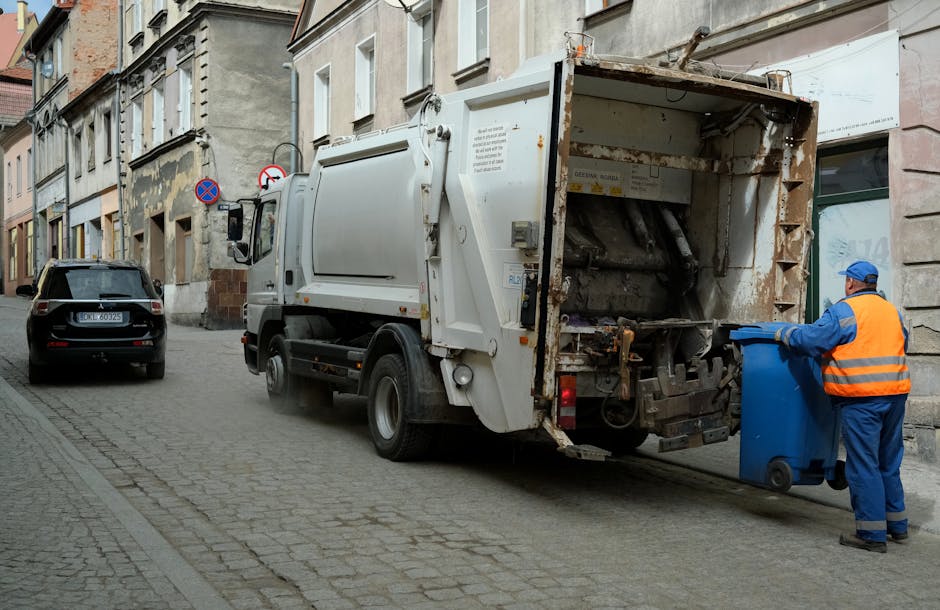
If you live near Purley High Street, rubbish has a way of building up faster than you expect. One week it is a broken chair, a bag of old clothes, and a tired vacuum; the next week, it is a loft full of "I'll deal with that later" items. This Purley High Street rubbish collection guide for homes is here to make the whole process feel straightforward, local, and manageable. Whether you are clearing a single bulky item or tackling a full house reset, the right approach saves time, reduces stress, and helps you avoid the awkward mistakes that can turn a simple job into a messy one.
In this guide, you will learn how home rubbish collection typically works, what to prepare before collection day, how to compare your options, and what to look out for if you want a cleaner, safer, more responsible outcome. It is practical advice, not fluff. Let's get into it.
Why Purley High Street rubbish collection guide for homes Matters
Home rubbish collection matters because waste is not just waste. It affects how your home feels, how safe it is to move around in, and how quickly you can get on with life. In a busy place like Purley High Street and the surrounding streets, space is precious. Bags in the hallway, furniture in the front room, or unwanted appliances in the garden can make a home feel cramped very quickly.
There is also the practical side. Some items are awkward to move, some are heavy enough to cause injury, and some need to be handled separately. A decent rubbish collection plan helps you sort what stays, what goes, and what needs special treatment. It also helps avoid the classic "we'll just leave it by the bins and hope for the best" approach. Truth be told, that rarely ends well.
For many households, the main value is peace of mind. You know where the waste is going, when it will be gone, and whether anything needs careful handling. If you are clearing a property after a move, a renovation, or a long-overdue declutter, that certainty is worth a lot.
And if you want a broader look at household clearance services beyond routine rubbish removal, it can help to compare options like home clearance, house clearance, and loft clearance. They are not identical, and that difference matters more than people often think.
How Purley High Street rubbish collection guide for homes Works
At home level, rubbish collection usually follows a simple pattern: assess the waste, separate items that need special handling, arrange collection, and make sure the items are ready when the crew arrives. Sounds easy. In reality, the smooth jobs are the ones where the planning happens before anyone turns up.
For many households, the process starts with a quick inventory. What exactly needs to go? A few black bags? A sofa? A fridge? Mixed clutter from a garage or loft? Once you know the volume and type of waste, it becomes much easier to choose the right service or method.
Typical home collections can involve:
- general household rubbish
- bulky items such as furniture
- appliances and white goods
- garden waste
- bagged loft, garage, or shed clutter
- materials from light DIY or home improvement work
Some items are straightforward, while others need a bit more thought. For example, an old mattress or sofa usually needs a separate disposal route because of size and handling requirements. A broken fridge or freezer may also need appliance-specific removal. If you are dealing with items that could pose a risk, look carefully at fridge and appliance removal and mattress and sofa disposal before you decide how to proceed.
The final stage is collection day itself. Good preparation helps the team work quickly, reduces disruption in the street or driveway, and lowers the chance of accidental damage inside the property. You know the drill: clear a path, move fragile things out of the way, and make sure access is not blocked by a bike, a pram, or that one shoe mountain by the door. We have all seen it.
Key Benefits and Practical Advantages
A well-organised rubbish collection for homes gives you more than a tidy room. It creates momentum. Once the clutter starts leaving, the whole property tends to feel lighter. There is a surprising psychological lift in seeing a garage floor again or finally being able to open a loft hatch without dodging old boxes.
Here are the main practical advantages:
- Less stress: You are not left staring at piles of waste wondering where to start.
- Better safety: Heavy or sharp items are handled more carefully.
- Faster clearing: A coordinated collection saves multiple trips to the tip or repeated bin-day juggling.
- Cleaner finish: The property is left ready for cleaning, selling, renting, or refurbishing.
- More space: You regain usable room in the parts of the home that had become storage overflow.
There is also an environmental benefit if items are sorted sensibly for reuse or recycling. Not everything should go to landfill, and not everything needs to. A service with a clear recycling approach, such as recycling and sustainability, is often a better fit for households that want waste handled responsibly.
Expert summary: The best rubbish collection is rarely the cheapest-looking one at first glance. It is the one that handles access, lifting, sorting, and disposal cleanly enough that you do not have to fix problems later.
Who This Is For and When It Makes Sense
This guide is useful for a broad range of Purley homes. If you are decluttering a flat, emptying a family house, dealing with post-renovation mess, or trying to sort a garden that has become a second storage unit, you are in the right place.
It tends to make the most sense if you:
- have bulky waste that will not fit in ordinary household bins
- need items removed from upstairs rooms, basements, lofts, or tight access spaces
- want a quick collection without hiring a skip
- are clearing items before a move, sale, or tenancy change
- need one-off household waste removal rather than an ongoing service
If you are dealing with mixed household items, a house clearance or home clearance solution can be more practical than trying to deal with everything separately. That is especially true when some items are bulky and others are just awkward. A basket of old cables, a mattress, a broken bookshelf, and a bag of loose bits all need slightly different handling. Not glamorous, but very normal.
For garage-heavy clear-outs, the same logic applies. A garage clearance can remove years of accumulated items in a single visit, which is often easier than making repeated journeys with small loads.
Step-by-Step Guidance
If you want the process to go smoothly, a little planning goes a long way. Here is a simple step-by-step approach that works well for most homes.
- Walk through the property. Make a list of everything that needs to go. Do this room by room if needed.
- Separate special items. Identify appliances, mattresses, sofas, or anything that may need separate handling.
- Decide what stays. Be ruthless. If you have not used it in years and it is broken, it is probably not a keeper.
- Estimate volume. Think in practical terms: a few bags, part-load, or a full property clearance.
- Check access. Measure doorways, note stairs, and think about parking or loading space.
- Prepare the items. Bag loose waste, flatten cardboard, and unplug appliances in advance if appropriate.
- Confirm the collection details. Make sure the time, access arrangements, and payment process are clear.
- Be ready on the day. Keep pets secure, clear the route, and point out anything delicate or awkward.
A useful trick: put all "maybe" items in one corner and review them last. If you keep touching the same old lamp for ten minutes, you are probably just delaying the inevitable. Happens to everyone.
If your waste includes items with unusual risk or handling requirements, consider whether a more specialised route is better. For example, a domestic job involving chemicals, paint, or broken electrical items may need hazardous waste disposal rather than a standard collection.
Expert Tips for Better Results
There are a few small habits that make a surprisingly big difference. In our experience, the easiest collections are the ones where the household has done the basic thinking before the team arrives. Nothing dramatic, just sensible preparation.
- Group items by type. Put furniture together, bags together, and appliances together. It saves time and avoids confusion.
- Do a quick safety sweep. Check for loose nails, broken glass, heavy lids, or wobbly stacks before anyone lifts.
- Keep paths clear. A clear hallway and doorway matter more than people expect, especially in older Purley properties.
- Label mixed items if needed. "Keep", "donate", "recycle", and "remove" can stop last-minute uncertainty.
- Plan for timing. If you are doing this before a move, allow a little buffer. Late collections always feel more stressful than they should.
One small but important point: do not assume every item can be handled in the same way. A mattress, a broken wardrobe, and a cracked mirror may all seem like simple rubbish, but each has different disposal considerations. The more you sort before collection, the smoother the day tends to go.
If you are comparing services, it is worth looking at how transparent they are about pricing and quotes. Clear pricing is not just about money; it is often a sign that the service understands the job properly.
Common Mistakes to Avoid
Most waste collection headaches are preventable. The problems usually come from rushing, guessing, or leaving the hard decisions until the last minute.
- Leaving sorting until collection day. This slows everything down and creates avoidable stress.
- Underestimating the load. A few items can turn into a van-full once they are all gathered together.
- Forgetting access issues. Narrow stairs, locked gates, and parking restrictions can affect how the collection is done.
- Mixing risky items with normal waste. Some waste should not be treated casually.
- Ignoring furniture size. Large pieces often need dismantling, or at least careful movement through the property.
- Not checking what happens after collection. If recycling or responsible disposal matters to you, ask about it upfront.
There is also a trust issue. If a provider cannot explain how waste is handled, that is a red flag. Not a huge one perhaps, but enough to pause and ask questions. You are entitled to know how your household rubbish is being managed.
Tools, Resources and Recommendations
You do not need a special kit to organise rubbish collection, but a few simple tools make everything easier. A decent pair of gloves, strong bags, marker labels, and a tape measure can save a lot of guesswork.
- Gloves: useful for handling dusty, sharp, or awkward items
- Heavy-duty bags: better for broken-up waste and loose clutter
- Tape measure: helpful for sofas, wardrobes, fridges, and tight doorways
- Marker labels: useful if you are separating keep, recycle, and remove piles
- Phone camera: handy for photographing item piles when requesting a quote
For households dealing with mixed waste, it is also helpful to understand what can be loaded into a skip versus what may be better handled through a direct collection. The page on what can go in a skip can help you think through that choice, especially if you are weighing convenience against access constraints.
If the waste is mostly furniture, a targeted service such as furniture disposal or furniture clearance may be more efficient than a general load. That sounds obvious, but people often miss it and end up overcomplicating the job.
Law, Compliance, Standards, or Best Practice
For home rubbish collection in the UK, the main principle is simple: waste should be handled lawfully, safely, and by people who know what they are doing. You do not need to memorise legislation to make a sensible choice, but you should be alert to the basics.
Best practice usually includes:
- keeping waste separate where practical
- identifying anything hazardous before collection
- using appropriate lifting methods for heavy items
- avoiding unsafe storage of waste inside or outside the home
- making sure the disposal route is suitable for the item type
If items contain confidential documents, household paperwork, or sensitive personal details, a specialist shredding service may be sensible. For that kind of material, confidential shredding is a more appropriate route than simply putting paperwork into a general bag of waste.
Safety also matters. Reputable operators should be able to talk clearly about their own operating standards, insurance, and site safety. If you are assessing a provider, pages like insurance and safety and health and safety policy can give you a better sense of how seriously they take the work.
One more thing. If a load includes paint, solvents, batteries, or similar items, it may need specialist attention. Do not guess. Ask.
Options, Methods, or Comparison Table
There is no single "best" way to remove rubbish from a home in Purley. The right choice depends on how much waste you have, how quickly it needs to go, and how much lifting or sorting you want to do yourself.
| Method | Best for | Pros | Watch-outs |
|---|---|---|---|
| Bagging and standard bin disposal | Small everyday waste | Low effort, familiar, cheap | Not suitable for bulky or excess items |
| Skip hire | Renovation waste or large volumes | Good for ongoing work, simple loading | Needs space and may not suit tight access |
| Direct rubbish collection | Mixed household waste and bulky items | Fast, flexible, less handling for you | Needs clear item list and access planning |
| Targeted item disposal | Sofas, mattresses, fridges, appliances | More suitable for awkward single items | May need separate pricing or handling |
For many homes near Purley High Street, direct collection ends up being the sweet spot. It is often easier than ordering a skip, especially where parking is tight, there is limited frontage, or the rubbish is a mix of bulky and bagged items. But if you are doing a bigger project, skip-related planning still has value, which is why pages like what can go in a skip can be useful as a comparison point.
Case Study or Real-World Example
Imagine a typical Purley home on a side street off the High Street. The owners have just finished redecorating the front room and clearing a spare bedroom. By the time they have pulled everything out, they are left with a battered armchair, a broken bedside unit, two boxes of mixed clutter, a mattress, and a few bags of general rubbish that have been growing quietly in the corner for months. Quietly being the key word.
They could try to do it in stages. One trip to the tip, another next weekend, and maybe another after that. But once they add stairs, parking, and the mattress, the job becomes much less appealing. Instead, they sort the items into clear groups, check access at the front door, and arrange a one-off collection. The whole thing is out in one go, and the room is usable again by the end of the day.
The useful lesson here is not that every home needs a large-scale clearance. It is that a small amount of planning often turns a frustrating job into a clean, manageable one. That is usually the difference between "I keep meaning to deal with it" and "why did I wait this long?"
Practical Checklist
Use this before collection day so nothing gets missed.
- Make a full list of the items to remove
- Separate general waste from furniture, appliances, and special items
- Check for hazardous or sensitive waste
- Clear access routes through hallways, stairs, and gates
- Measure bulky items if they need to pass through tight spaces
- Bag loose rubbish securely
- Flatten cardboard where possible
- Unplug appliances and make them safe to move
- Keep pets and children out of the work area
- Confirm the collection time and what is included
- Ask about recycling and disposal handling if that matters to you
Quick reminder: if you are clearing a room that has been used for storage for years, expect a few surprises. Old batteries, broken glass, dusty photo frames, the usual. Best to slow down for five minutes and check properly.
Get a free quote today and see how much you can save.
Conclusion
Rubbish collection for homes on and around Purley High Street does not need to be complicated. The job gets easier the moment you identify the waste properly, sort the awkward items, and choose a collection method that fits your property rather than fighting it. That really is the heart of it.
Whether you are clearing a single bulky item, tidying a garage, or getting a full home ready for the next chapter, the right approach saves time and leaves you with a calmer space. And let's face it, a calmer space changes how a home feels. Even one cleared room can make the whole place breathe a bit better.
If you want a practical, trustworthy next step, compare your options carefully, prepare the access, and choose the service style that suits the job. Small effort now. Much easier later. That is usually the sweet spot.
Frequently Asked Questions
What is the best way to arrange rubbish collection for a home near Purley High Street?
The best approach is to list the items first, separate anything bulky or special, and then choose a collection method that fits your access and volume. For many homes, a direct rubbish collection is simpler than multiple tip runs.
Can household rubbish be mixed with furniture and appliances?
Sometimes, yes, but it depends on the provider and the item types. In practice, separating furniture, appliances, and general waste usually makes the job smoother and helps avoid handling issues.
Do I need to prepare items before collection day?
Yes, a little preparation helps a lot. Bag loose waste, clear access paths, and make sure larger items are ready to move. If something is fragile or sharp, mention it in advance.
What happens if I have a fridge, freezer, or old appliance to remove?
Appliances often need separate handling, especially if they are large or contain cooling components. It is sensible to check appliance-specific removal options rather than treating them like ordinary rubbish.
How do I know whether I need house clearance or rubbish collection?
If you are removing a few items or a mixed load, rubbish collection may be enough. If you are emptying rooms, lofts, or an entire property, a house clearance or home clearance approach is usually more suitable.
Is it worth using a skip for home waste?
It can be, especially for larger renovation jobs. But if you have limited space, awkward access, or a mixed load of bulky household items, direct collection may be easier. It depends on the property and the waste.
What should I do with mattress or sofa waste?
Mattresses and sofas are best handled through the right disposal route because they are bulky and awkward to move. They can also require more careful handling than everyday household rubbish.
Are there items that should not go into general rubbish?
Yes. Hazardous items, certain chemicals, batteries, and some electrical waste need special care. If in doubt, treat the item separately and ask before collection.
How can I keep collection costs sensible?
The easiest way is to sort the waste clearly, avoid last-minute confusion, and get an accurate quote based on the actual load. Mixed, unprepared waste often takes longer to assess and may cost more.
What if I only have a few bags of rubbish?
Small loads may be handled quite efficiently, especially if they are bagged and easy to access. If the items are light and straightforward, you may not need anything more complex than a simple collection.
Can waste from a garage or loft be collected too?
Yes, absolutely. Garage and loft clearances are common because those spaces tend to collect odd, forgotten items over time. They are often more cluttered than people remember, which is half the battle.
How do I choose a trustworthy service?
Look for clear pricing, sensible explanations of what can be collected, and visible attention to safety and disposal standards. If a provider is vague about process or handling, that is usually worth questioning.